

What Is the Tariqa Tijaniyya?
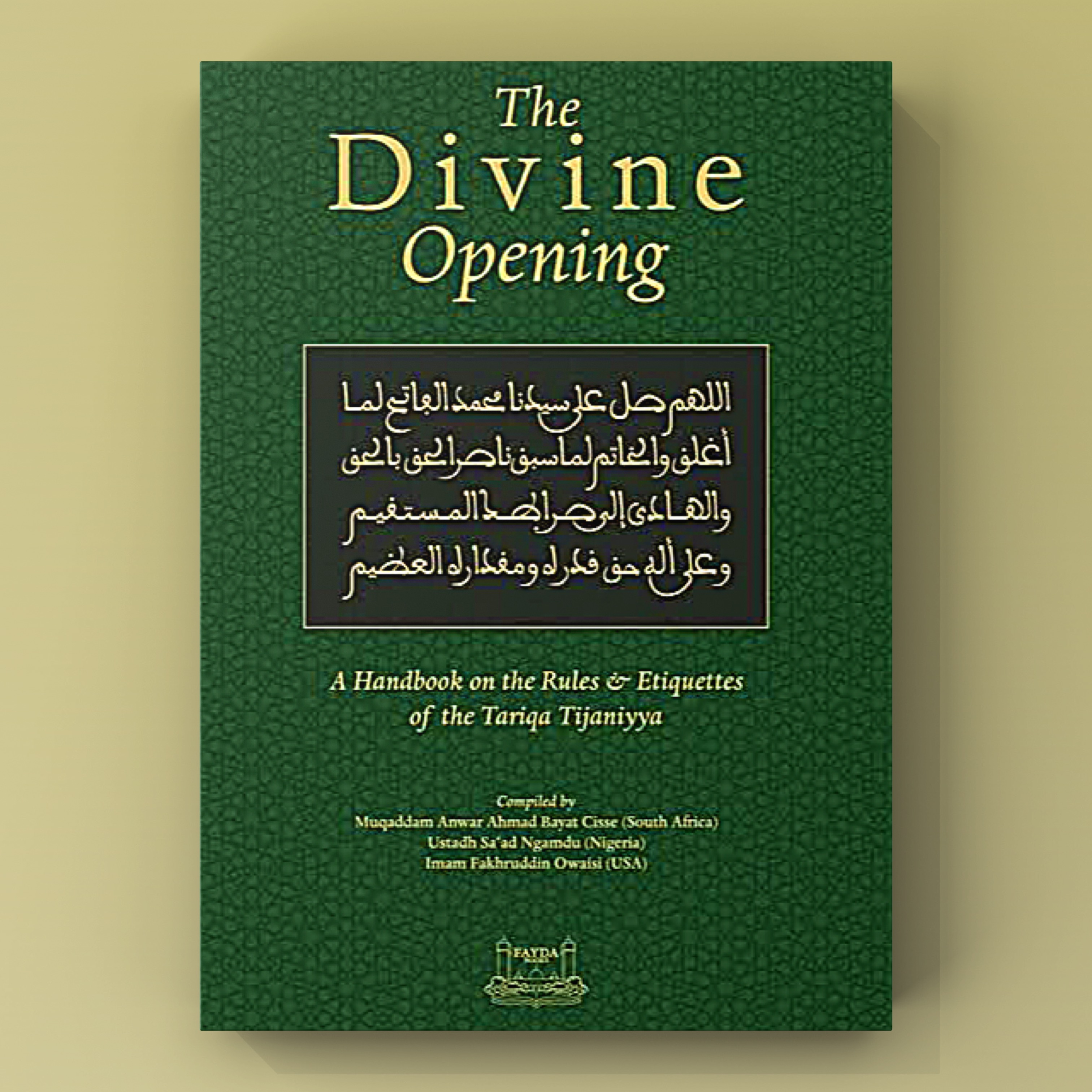
The Tariqa Tijaniyya is a Sufi order (tariqa) within Sunni Islam, founded by Shaykh Ahmad al-Tijani in the late eighteenth century. Like other Sufi paths, it offers a structured route of remembrance (dhikr) and discipline aimed at drawing the believer closer to Allah, built on top of — not in place of — the obligations of the Shariah.
A useful way to understand any Sufi path is through a set of distinctions long used in the Islamic sciences: Shariah is the outward law, the acts of worship and conduct commanded by Allah and His Messenger, peace be upon him. Tariqa is the disciplined path of practice — litanies, remembrance, and companionship with a guide — built to help the believer fulfill the Shariah with sincerity. Haqiqa refers to the inner reality that the seeker is working toward, and Ma'rifa to the deepening knowledge of Allah that can accompany genuine practice. None of these replace the others; in sound Sufi teaching, the tariqa is a means of reaching haqiqa through, never around, the Shariah.
In practical terms, adherents of the Tariqa Tijaniyya are known for a small number of daily and weekly litanies rather than a large or elaborate set of practices. Central among these are the Wazifa (a set litany typically recited once daily), the Lazim (a daily wird recited by initiates), and the Hailala (a Friday congregational remembrance). Tijani teaching places strong emphasis on gratitude for these litanies, sincerity in their recitation, and — distinctively among Sufi orders — the principle that an initiate ordinarily does not combine formal affiliation with another tariqa alongside the Tijaniyya.
From its origins in Fez, Morocco, the order spread across North and West Africa through the work of appointed deputies (muqaddams), and today the Tariqa Tijaniyya counts adherents across West Africa, North Africa, and increasingly in diaspora communities worldwide — including, in the twentieth century, the large-scale spread associated with the Fayda of Shaykh Ibrahim Niasse.
Unverified: specific figures on the order's present-day size and geographic distribution vary by source and are not stated here; readers seeking demographic claims should consult academic or institutional sources directly.






Leave a Comment:
Your email address will not be published. Required fields are marked *